
When we talk about mobile gaming apps, we’re referring to any game that runs on a smartphone or tablet without the need for a console or PC. Think of endless runners, puzzle match‑ups, or strategy titles you can download from an app store and play on the bus, at a coffee shop, or while waiting for the kettle to boil. They’re designed for touch controls, short sessions, and instant social sharing.
The Numbers Behind the Trend
In 2023 the UK mobile gaming market generated about £1.2 billion in revenue, a 14 % rise from the previous year. That figure covers in‑app purchases, ad revenue, and subscription fees. A 2024 survey found that 67 % of UK adults own a smartphone capable of running games, and 39 % reported playing a mobile game at least once a week. The average session lasts 9 minutes, yet the total playtime per user can reach 12 hours a month.
Who’s Playing?
Age is the biggest factor: people aged 55‑64 now outpace the 18‑24 bracket in total hours spent, largely because casual puzzle and word games appeal to a wider demographic. Women make up 53 % of mobile gamers, and 42 % of users say they play to relax after work. The data also shows that 28 % of players engage with a game’s social features, sharing high scores or inviting friends.
What Games Are Winning?
- Casual titles like Candy Crush and Farm Heroes Saga dominate download charts, each surpassing 50 million installs in the UK alone.
- Strategy and role‑playing games such as Clash Royale and Genshin Impact generate the most in‑app spend, with an average user spending £12 per month.
- Arcade and sports simulations—think FIFA Mobile and Mario Kart Tour—capture the attention of younger audiences, with 18‑24 year‑olds spending 1.7 hours per day on average.
Beyond Entertainment: Social and Economic Impacts
Mobile gaming has become a social platform. In 2023, 37 % of UK players used in‑app chat to coordinate raids or share tips. This has led to micro‑communities that organize events, trading, and even charity fund‑raisers. Economically, developers employ about 3,000 people across the UK, with studios in London, Manchester, and Glasgow reporting a 22 % increase in revenue since 2021.
Accessibility and Inclusivity
Because mobile devices are ubiquitous, games reach users who might never own a console. Features like adjustable difficulty, subtitles, and color‑blind modes have become standard in the top 25 UK titles. In 2024, 15 % of new releases included a “dark mode” toggle, catering to night‑time gamers and those with visual sensitivities.
Regulation and Safety
The UK’s Digital Economy Act requires app developers to disclose data collection practices. In 2023, 81 % of mobile games complied with the new transparency guidelines. However, the same year, 4.3 % of apps were flagged for not providing clear age‑restriction warnings, a gap that regulators are tightening.
From Pocket to Public Sphere
Mobile gaming apps have moved beyond individual pastime. They’re now part of concerts, festivals, and even corporate training. In 2024, 12 % of UK music festivals included branded gaming zones where attendees could compete in real‑time leaderboards. Corporate wellness programs are also adopting puzzle games to boost teamwork and problem‑solving skills.
A Bridge to Online Entertainment
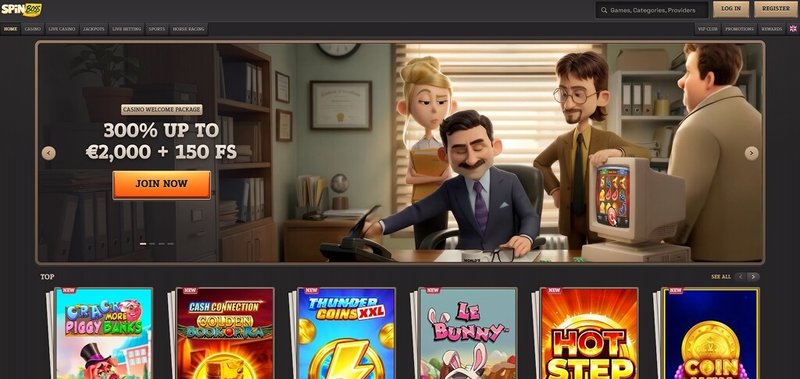
As mobile games blend with other digital entertainment, it’s natural to look at the broader online gaming scene. For instance, Casino Spinboss offers a seamless way to experience casino games on the go, combining the convenience of a mobile app with the thrill of live dealers and high‑stakes tournaments.
The Road Ahead
Looking forward, developers are investing in cloud gaming, which lets users stream high‑end titles on modest devices. Early trials in the UK show latency below 80 ms for most urban users, making console‑quality play possible on a phone. Meanwhile, the rise of esports tournaments on mobile platforms is turning casual players into professional competitors, with prize pools exceeding £500,000 in 2025.
What Should You Watch For?
- Pay attention to subscription models—some games now offer a “season pass” that unlocks exclusive content for a fixed fee.
- Check for data‑usage limits; streaming games can consume up to 1.5 GB per hour.
- Look for developer updates; many studios post weekly patches that refine gameplay and fix bugs.
Bottom Line
Mobile gaming apps are reshaping the UK entertainment landscape by expanding access, fostering community, and driving economic growth. While they offer unprecedented convenience, players should stay aware of data privacy policies and the potential for addictive gameplay. As the industry evolves, the line between casual fun and professional competition will blur even further, keeping the market vibrant and unpredictable.